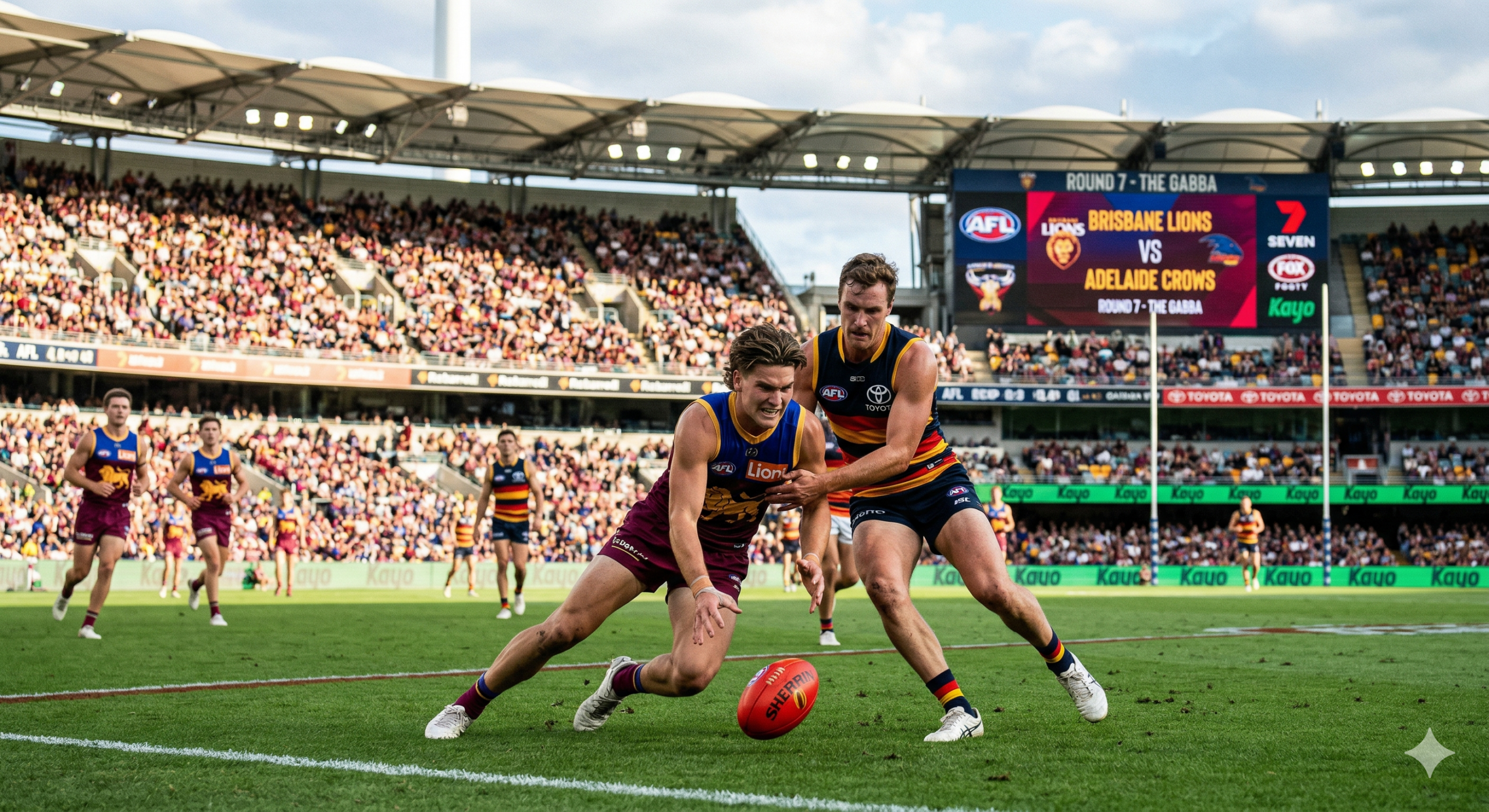


Imagine your team makes the Grand Final for the first time in a decade. Tickets sell out before you get to the front of the queue. Ten minutes later, a post appears in your local supporters group: two seats, level two, going at face value because the seller’s flight got cancelled. They seem genuine. They have mutual friends. They just need the money today.
This is an update.
Every September, the gap between how many people want to be at the ground and how many seats exist creates the perfect conditions for scammers. The scams below are not new inventions. They work because they arrive at the exact moment you are least likely to slow down and check.
1. Fake resale listings on social media
The most common finals scam is also the simplest. A seller posts tickets in a supporters group, a Marketplace listing or a local buy-swap-sell page, asks for a bank transfer or a payment app, and disappears once the money lands.
These accounts are often built to look established. Scammers buy or hijack older profiles, fill them with ordinary posts, and join community groups weeks before finals start so their history looks normal by the time they list anything.
The screenshot below shows a typical listing: urgent, priced just low enough to feel like a favour, and pushing the conversation off-platform into a private chat.
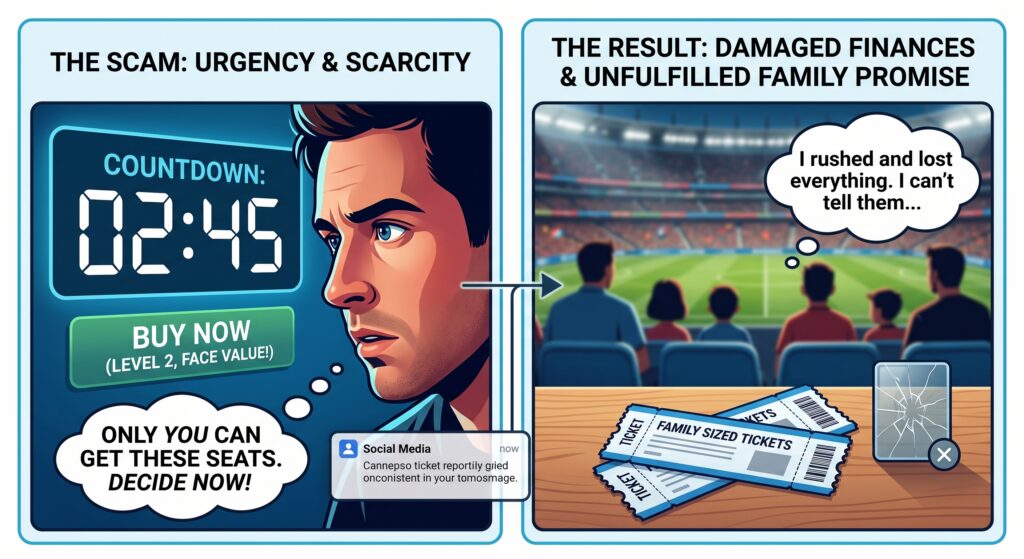
Common red flags include:
- The seller will only accept bank transfer, PayID or a payment app, and refuses any option with buyer protection
- They push you into a private chat or an encrypted messaging app straight away
- The listing has a deadline attached, usually “first to pay” or “need this sorted tonight”
- The photo of the tickets is a screenshot with the barcode or seat details blurred out
- The price is below face value for a sold-out fixture, which almost never happens
2. Lookalike ticketing websites
The second scam targets people searching rather than scrolling. When a fixture sells out, search traffic for terms like “AFL Grand Final tickets” spikes, and scammers buy ads and register domains that sit one character away from the real ticketing agent.
These sites are copies. They lift the real logo, the real fonts and the real seat map, then take your card details at checkout. Some send a professional-looking PDF afterwards, which means you may not find out anything is wrong until you are standing at the gate.
Australia’s official ticketing for AFL and NRL finals runs through the clubs, the leagues and their appointed agents. Anything else is a resale market, and a resale market that has cloned an agent’s branding is not a resale market at all.
[SCREENSHOT PLACEHOLDER: cloned ticketing checkout page with lookalike domain highlighted]
Before you enter card details, check:
- The domain, character by character, not just the part of it you recognise
- Whether you arrived via a sponsored ad rather than the official club or league site
- Whether the site accepts card payments only through an unfamiliar processor
- Whether there is a real business name, ABN and contact address in the footer
3. The one on the rise: fake ticket transfer and refund messages
The newest version does not try to sell you anything. It waits until after you have bought.
You receive an SMS or email that appears to come from the ticketing agent, telling you there was a problem with your order. The seating allocation changed. The payment did not clear. Your mobile tickets need to be reissued before they will scan. There is a link, and the link goes to a page that asks you to confirm your card or log in to your ticketing account.
This one works because the details are right. If you genuinely bought tickets last week, a message about those tickets does not feel like a scam, it feels like admin. Scammers increasingly time these messages to the days immediately after a public on-sale, when a large number of people are all holding fresh orders at once.
[SCREENSHOT PLACEHOLDER: SMS impersonating a ticketing agent with a reissue link]
The safest habit is the boring one. Do not use the link. Open the app or type the ticketing agent’s address in yourself, and check your order there. If something really has changed, it will be visible in your account.
What to do if you have already paid
Speed matters more than anything else here.
- Contact your bank immediately and ask them to attempt a recall or chargeback. Some transfers can be stopped if you call within hours.
- Report it to Scamwatch at scamwatch.gov.au, which feeds the National Anti-Scam Centre.
- Report it to ReportCyber at cyber.gov.au if you handed over identity documents or account logins.
- Change any password you entered on a suspicious page, and any other account using that same password.
- Tell the group or platform where you found the listing. Scam sellers usually work the same community more than once, and a warning post stops the next person.
The takeaway
Finals scams do not rely on people being careless. They rely on timing. They arrive when tickets are scarce, when a decision feels like it has to be made now, and when the alternative is telling your family you could not get seats.
The pause is the protection. Verify the seller, verify the site, and never take the payment method the other person insists on.
[DEMO-ONLY CTA BLOCK]
Not sure if a message or listing is real? Trend Micro ScamCheck can scan a suspicious link, text or website in seconds.
(Included as a separate content block so the CTA can be shown, personalised, or removed independently of the article body.)